Key Takeaways
- Small, targeted upgrades can make a home exterior look significantly more modern without requiring a full renovation.
- Start by assessing the property’s condition and prioritising repairs, maintenance, and high-visibility areas.
- Refreshing the front door, hardware, house numbers, lighting, and entryway can create a strong first impression at relatively low cost.
- A coordinated exterior colour scheme can give an older property a cleaner, more contemporary appearance.
- Cleaning surfaces and improving landscaping can deliver noticeable results without major construction work.
- Divide larger projects into stages to spread costs and avoid unnecessary spending.
- Invest in professional help for structural, electrical, roofing, drainage, and other specialist work where safety or technical expertise is involved.
Modernising your home exterior does not necessarily require a major renovation or a large construction budget. Small, well-planned changes can dramatically improve the way your property looks, feels, and functions while helping you avoid unnecessary expenses. From updating the front door and outdoor lighting to refreshing landscaping and improving tired-looking surfaces, there are plenty of affordable ways to give an older or dated property a more contemporary appearance.
The key is knowing which improvements create the greatest visual impact for the money. With thoughtful planning, homeowners can prioritise high-value upgrades, work within their existing layout, and gradually transform their property’s exterior without taking on the cost and disruption of a complete renovation.
Where Should You Start When Updating Your Home Exterior?
Before buying materials or hiring contractors, take time to assess what actually makes your home’s exterior look dated. It is easy to become distracted by trendy features that may not suit your property’s architecture or provide meaningful value. Instead, walk around your home at different times of day and look at it from the street, driveway, garden, and side elevations. Consider which elements appear worn, mismatched, or neglected.
A good starting point is to divide the exterior into categories: structure, surfaces, entry points, lighting, landscaping, and outdoor living areas. This helps you identify improvements that can be completed independently rather than treating the project as one enormous renovation.
Pay particular attention to areas that visitors and neighbours see first. The front entrance, driveway, garden beds, exterior walls, windows, and visible roofline often have the greatest influence on first impressions.
Before making decisions, consider:
- Condition: Fix damaged, unsafe, or deteriorating elements before focusing on appearance.
- Proportion: Make sure new features complement the size and architectural style of the property.
- Consistency: Avoid combining too many colours, materials, or design styles.
- Priority: Focus your budget on changes that provide the biggest improvement in appearance or function.
- Maintenance: Consider how much cleaning, painting, gardening, or repair future upgrades will require.
Creating a priority list can prevent you from spending money on cosmetic details while overlooking more important maintenance issues. A modern-looking exterior should also be durable, practical, and appropriate for the property’s surroundings.
Which Affordable Changes Make the Biggest Visual Difference?
You do not have to replace every exterior feature to create a more contemporary appearance. In many cases, a handful of targeted updates can completely change the character of a property. The trick is to focus on elements that occupy prominent visual positions or influence how the rest of the exterior is perceived.
For example, a dated front door can make an otherwise attractive home look old-fashioned. Repainting it or replacing the hardware may cost far less than replacing the entire entryway while still producing a noticeable transformation. Similarly, modern house numbers, updated lighting, and neatly maintained landscaping can make a front facade feel considerably fresher.
Some cost-effective upgrades include:
- Repainting exterior trim: Fresh paint can make faded windows, eaves, fascia, and architectural details look cleaner and sharper.
- Updating house numbers: Contemporary numbers can provide a surprisingly strong visual improvement for a relatively small investment.
- Replacing outdated hardware: New door handles, locks, hinges, and letterboxes can create a more cohesive appearance.
- Refreshing exterior lighting: Modern fixtures can improve both kerb appeal and nighttime visibility.
- Adding window boxes or planters: These can introduce colour and greenery without requiring major landscaping work.
- Cleaning hard surfaces: Pressure washing paths, driveways, walls, and outdoor areas can reveal a cleaner appearance underneath years of dirt and grime.
The most effective changes often work together. For example, repainting the front door, replacing its hardware, updating nearby lighting, and adding a couple of well-positioned plants can make the entire entrance feel intentionally designed.
Can a New Colour Scheme Make Your House Look More Modern?
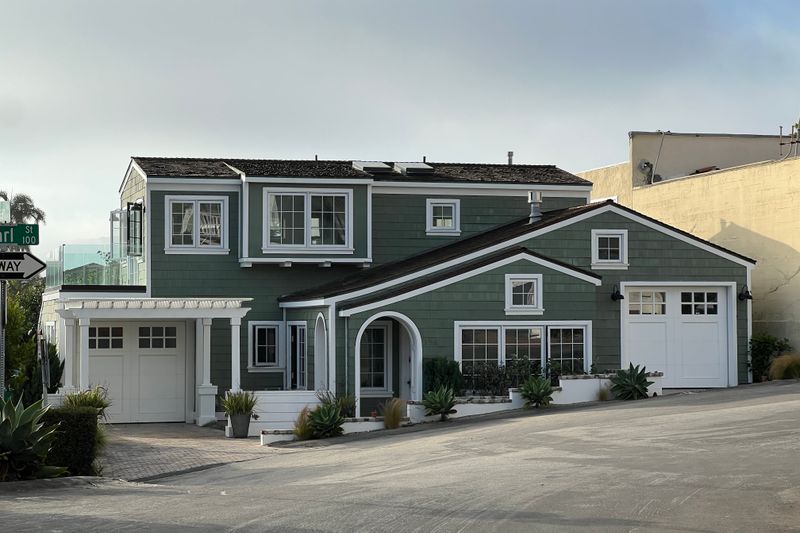
Colour is one of the most affordable tools available when updating an exterior. A carefully selected palette can make an older home appear cleaner and more contemporary without requiring structural changes. However, choosing exterior colours requires more thought than simply selecting a favourite paint shade.
Consider the existing roof, brickwork, stone, paving, fencing, and surrounding landscape. These permanent features should influence your colour choices because replacing them later can be considerably more expensive than repainting.
A simple exterior palette typically works well. Choose one dominant colour for the main facade, a complementary shade for trim or secondary elements, and an accent colour for the front door or other focal features.
Neutral shades can create a timeless foundation, while a stronger accent can provide personality. The objective is not necessarily to make everything look identical but to create visual cohesion.
Before committing to a colour:
- Look at samples outdoors. Natural light can make colours appear very different from how they look inside a paint shop.
- Check the colour throughout the day. Morning, midday, and afternoon light can change how a shade appears.
- Consider neighbouring properties. Your home should stand out positively without looking completely disconnected from the street.
- Work with existing materials. Roof tiles, brick, stone, and concrete may limit which colours work naturally.
- Keep accents intentional. Too many contrasting colours can make an exterior feel busier rather than more modern.
If your exterior paint is still in reasonable condition, you may not need to repaint the entire property. Concentrating on trim, shutters, the front door, garage door, or other highly visible elements can stretch your budget further.
How Can You Improve the Front Entrance Without Rebuilding It?
The front entrance is one of the most important parts of your home’s exterior because it acts as a visual focal point. Fortunately, it is also an area where relatively inexpensive improvements can have an outsized effect. You do not necessarily need a new porch, extension, or elaborate entryway to make the space feel modern.
Start by looking at the front door itself. If it is structurally sound, consider repainting it in a contemporary accent colour. New handles, locks, hinges, or a modern door knocker can complement the change. If the door is damaged or particularly outdated, replacing it may still be more economical than undertaking a broader facade renovation.
Lighting is another valuable upgrade. Replace dated fixtures with simple designs that provide adequate illumination around the doorway, steps, and pathway. Where appropriate, motion sensors or energy-efficient bulbs can make exterior lighting more practical as well as attractive.
You can also improve the entrance with:
- A clean, contemporary welcome mat
- Large planters positioned symmetrically near the doorway
- Updated house numbers
- A refreshed porch ceiling or trim
- A tidy pathway leading towards the entrance
- Simple landscaping that frames rather than overwhelms the doorway
The goal is to make the entrance appear clean, intentional, and welcoming. Avoid adding too many decorative features simply because they are inexpensive. A restrained design often looks more modern than an entrance filled with competing details.
What Can You Do About Dated Siding, Brick, or Exterior Walls?
Exterior walls cover a significant portion of your home’s visible surface, so their condition has a major influence on overall appearance. Replacing siding or completely recladding a house can be expensive, but homeowners have several lower-cost alternatives when the underlying material is still in good condition.
Cleaning should be considered first. Dirt, algae, mould, dust, and weather staining can make otherwise serviceable materials look significantly older. Appropriate cleaning methods can restore some of the original appearance without requiring replacement.
Painting may also be an option for certain exterior materials. Rendered surfaces, timber cladding, and other suitable substrates can often be refreshed with the right preparation and coating system. However, painting requirements vary according to the material, so check product specifications and seek professional advice where necessary.
For homeowners looking for exterior home improvement ideas, consider focusing on sections rather than automatically replacing the entire facade. A contrasting finish around the entrance, updated trim, or a carefully selected feature wall may provide enough visual change without the cost of a full exterior replacement.
If your walls show cracking, moisture damage, rot, loose materials, or other signs of deterioration, address those problems before applying cosmetic finishes. Covering a structural or moisture issue with paint may only postpone a more expensive repair.
How Can Landscaping Give Your Property a More Contemporary Look?
Landscaping has a powerful effect on exterior appearance because it connects the house with the surrounding property. Even a modest home can feel more modern when its garden is organised, healthy, and visually balanced.
You do not need an elaborate landscape design. Start by removing overgrown plants, trimming shrubs, clearing weeds, and defining garden edges. These simple tasks can immediately make the property appear better maintained.
Next, consider the relationship between plants and architecture. Tall plants can help frame a facade, while lower planting can soften pathways and hard surfaces. Repeating a small selection of plant types can create a more cohesive appearance than using dozens of unrelated varieties.
Affordable landscaping improvements might include:
- Creating defined garden borders
- Adding fresh mulch or suitable ground cover
- Replacing tired plants with low-maintenance varieties
- Installing simple pathway lighting
- Pruning trees and shrubs to reveal architectural features
- Adding large containers near the entrance
- Refreshing a small lawn rather than replacing the entire garden
Think beyond the front garden as well. There are several practical ways to refresh your backyard without undertaking a complete landscape redesign. Reorganising outdoor furniture, improving planting, cleaning paving, adding lighting, and creating a defined entertaining area can make an existing backyard more functional.
The best approach is to make the landscape feel intentional. Even inexpensive materials can look polished when they are arranged thoughtfully and maintained consistently.
Should You Update Your Windows and Garage Door?
Windows and garage doors can have a significant impact on the appearance of a home, but replacing them all at once can quickly consume a renovation budget. Instead, determine whether replacement is actually necessary.
If your windows are structurally sound and perform adequately, cleaning the frames, refreshing suitable trim, replacing damaged screens, and improving surrounding landscaping may be enough to make them look better. Curtains and interior treatments are not visible from every angle, but clean and well-maintained windows can improve the overall impression of the facade.
Garage doors deserve similar attention because they can occupy a large portion of the front elevation. If replacement is outside your budget, cleaning and repainting a suitable door may provide a substantial improvement. Updating handles or other hardware can further modernise the appearance.
If replacement is necessary because of poor operation, significant deterioration, draughts, or energy-performance concerns, prioritise those issues rather than choosing purely based on appearance. A new feature should solve a practical problem as well as improve the exterior.
When considering window or garage door upgrades, think about:
- Energy efficiency
- Durability
- Maintenance requirements
- Security
- Architectural compatibility
- Long-term value
Spending more on a durable improvement can be more economical than choosing the cheapest option and needing to replace it again.
How Can Outdoor Lighting Make a Home Feel More Modern?
Exterior lighting is frequently overlooked during budget renovations, yet it can dramatically change how a property looks after sunset. It also improves visibility around paths, entrances, driveways, and entertaining areas.
Begin by replacing old or damaged fixtures. Choose designs that complement the home’s architectural style rather than selecting fixtures solely because they are fashionable. A few well-positioned lights are generally more effective than covering every available surface with illumination.
Pathway lighting can guide visitors towards the entrance, while wall-mounted fixtures can highlight architectural features. Lighting around outdoor entertaining areas can extend their usefulness into the evening.
Energy-efficient lighting options can also help control ongoing running costs. Timers, sensors, and appropriately positioned fixtures can reduce unnecessary use.
Avoid excessive brightness. Modern exterior lighting often relies on subtle layers rather than one powerful light source. The objective is to create a comfortable, attractive environment while maintaining practical visibility.
What Improvements Should You Avoid if You Have a Limited Budget?
Budget-conscious renovation is not simply about finding the cheapest products. It is about spending money where it will have the greatest long-term benefit. Some seemingly affordable projects can become expensive when installation, maintenance, repairs, or future replacement are taken into account.
Avoid making major aesthetic changes before addressing obvious maintenance problems. Peeling paint, damaged roofing, leaking gutters, rotten timber, cracked paving, drainage issues, or failing fences can undermine the value of cosmetic upgrades.
It is also wise to avoid chasing every current design trend. Exterior styles can change, while durable improvements should ideally remain useful and attractive for many years.
Be cautious about:
- Replacing sound materials purely for cosmetic reasons
- Installing complicated features that require extensive maintenance
- Mixing too many exterior styles
- Choosing materials solely because they are inexpensive
- Removing mature landscaping without a clear replacement plan
- Undertaking DIY work that requires specialist skills
A budget renovation should be strategic rather than rushed. Saving money upfront is not worthwhile if the result creates additional repair costs later.
How Can You Plan an Exterior Makeover in Stages?
One of the easiest ways to manage the cost of modernising your home is to divide the work into stages. You do not have to complete every improvement during one renovation period. A staged approach allows you to spread expenses over time while still creating visible progress.
Start with cleaning, repairs, and basic maintenance. These tasks establish a better foundation for later improvements. Next, focus on high-visibility changes such as painting, the entrance, lighting, and landscaping.
Once those areas are complete, you can consider larger projects such as replacing windows, upgrading cladding, renovating outdoor entertaining spaces, or improving the driveway.
A simple staged plan might look like this:
Stage 1: Clean and repair
Pressure clean suitable surfaces, repair damage, clear gardens, maintain gutters, and address obvious deterioration.
Stage 2: Improve the entrance
Refresh the front door, hardware, lighting, house numbers, pathway, and surrounding plants.
Stage 3: Refresh surfaces
Repaint appropriate exterior areas, restore fences, and improve tired-looking trim or other visible details.
Stage 4: Upgrade landscaping
Define garden areas, improve planting, add mulch or ground cover, and make outdoor spaces easier to maintain.
Stage 5: Consider larger upgrades
Once the affordable improvements are complete, assess whether windows, siding, roofing, paving, or other substantial changes are genuinely necessary.
This approach also gives you time to evaluate what works. You may discover that several smaller improvements have already achieved the modern look you wanted, allowing you to postpone larger expenses.
When Should You Bring in a Professional?
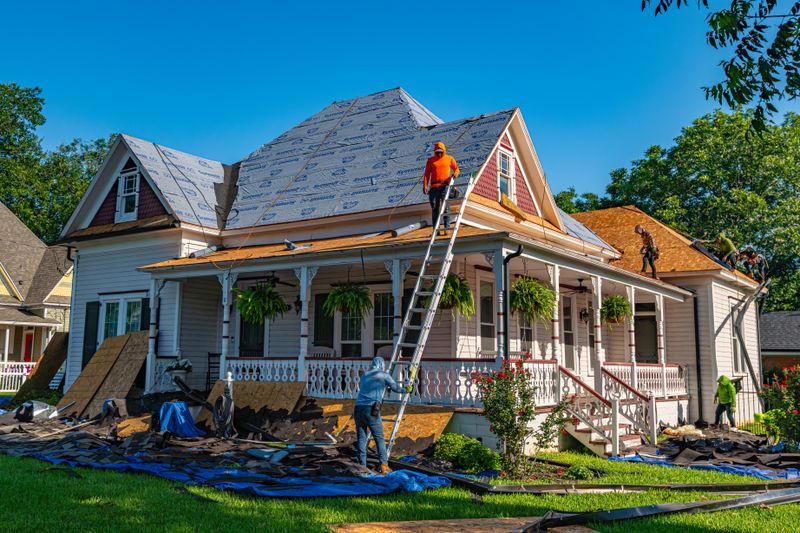
Many cosmetic improvements can be handled by homeowners, but some exterior projects require specialist knowledge, equipment, or safety precautions. Knowing when to seek professional help can protect both your property and your budget.
Roofing, electrical work, structural repairs, significant drainage problems, major landscaping construction, and certain window or exterior material installations may require qualified professionals. Local requirements and building regulations can also apply to particular renovation projects.
A professional can also help when you are unsure which improvements should come first. An experienced contractor or designer may identify underlying problems that are easy to overlook and recommend solutions that prevent unnecessary spending.
Before hiring anyone, obtain clear information about the proposed scope of work, materials, labour, preparation, warranties, and additional costs. Comparing multiple quotes can help you understand whether the proposed work is reasonably priced.
The objective is not to outsource every small task. Rather, combine DIY-friendly improvements with professional work where expertise matters most. This can provide a better balance between affordability, quality, safety, and long-term performance.
How Can You Keep Your Modernised Exterior Looking Good?
Once you have invested time and money into your home’s exterior, regular maintenance is one of the simplest ways to protect that investment. Modernising a property does not end when the painting, landscaping, or installation work is finished. Without ongoing care, even high-quality improvements can quickly begin to look tired.
Create a basic maintenance schedule based on the materials and features around your home. Inspect painted surfaces, roof drainage, fences, pathways, garden beds, lighting, doors, and windows periodically. Address minor problems before they develop into expensive repairs.
Keep landscaping under control by pruning plants, removing weeds, maintaining lawn areas, and replacing damaged plants when necessary. Clean exterior surfaces when appropriate, but use methods suitable for each material to avoid causing damage.
You can also keep the exterior feeling contemporary without continually renovating it. Changing planters, refreshing garden beds, replacing worn hardware, and updating small decorative elements can provide inexpensive improvements over time.
The best modern exterior is not necessarily the newest one. It is one that is clean, cohesive, well-maintained, functional, and suited to the home’s architecture.
Conclusion: Can You Modernise Your Home Without Spending a Fortune?
Modernising your home’s exterior on a budget is ultimately about making strategic decisions rather than pursuing a complete transformation all at once. Cleaning and repairing existing features, updating the front entrance, improving lighting, refreshing paint, simplifying landscaping, and maintaining visible surfaces can create a surprisingly significant change without requiring a major renovation.
Start with the areas that have the greatest visual impact and address maintenance issues before cosmetic improvements. Work in stages, choose durable materials where replacement is necessary, and avoid expensive trends that may quickly become dated. When specialist work is required, invest in qualified professionals rather than risking costly mistakes.
With careful planning, even modest improvements can give an older or tired-looking property a cleaner, more contemporary appearance. The result can be a home exterior that feels modern, welcoming, practical, and easier to maintain without stretching your renovation budget beyond what you can comfortably afford.